How to Find Freelance Clients: Practical Strategies That Work


Finding clients is the make-or-break skill in freelancing. You can be insanely talented, but if no one knows about you, you won’t get paid. The good news? There are more ways than ever to connect with clients if you know where to look and how to show up.
Here’s a no-fluff guide to finding freelance clients that works.
1. Start With Who You Know
Your first few clients often come from your existing network of friends, coworkers, former employers, and even classmates. Don’t overthink it. Reach out and let somebody know what you’re accomplishing.
Example:
“Hey [Name], I just started showing freelance web design for small companies. If you or anyone you know requires help with a website, let me know!”
You’re not begging. You’re offering value. Most people are happy to connect you with someone who needs your help.
2. Make It Stupid-Easy to Hire You
Before you go looking for clients, make sure your basics are in place:
- Portfolio or landing page: Show your work, list your services, and add a contact form or email.
- Clear offer: Be specific about what you do. “I help SaaS companies write conversion-focused landing pages” is better than “I’m a freelance writer.”
- Social proof: Add testimonials or case studies, even if they’re from smaller or personal projects.
You don’t need a fancy site. Just something clean, clear, and client-friendly.
3. Use Freelance Platforms (Smartly)
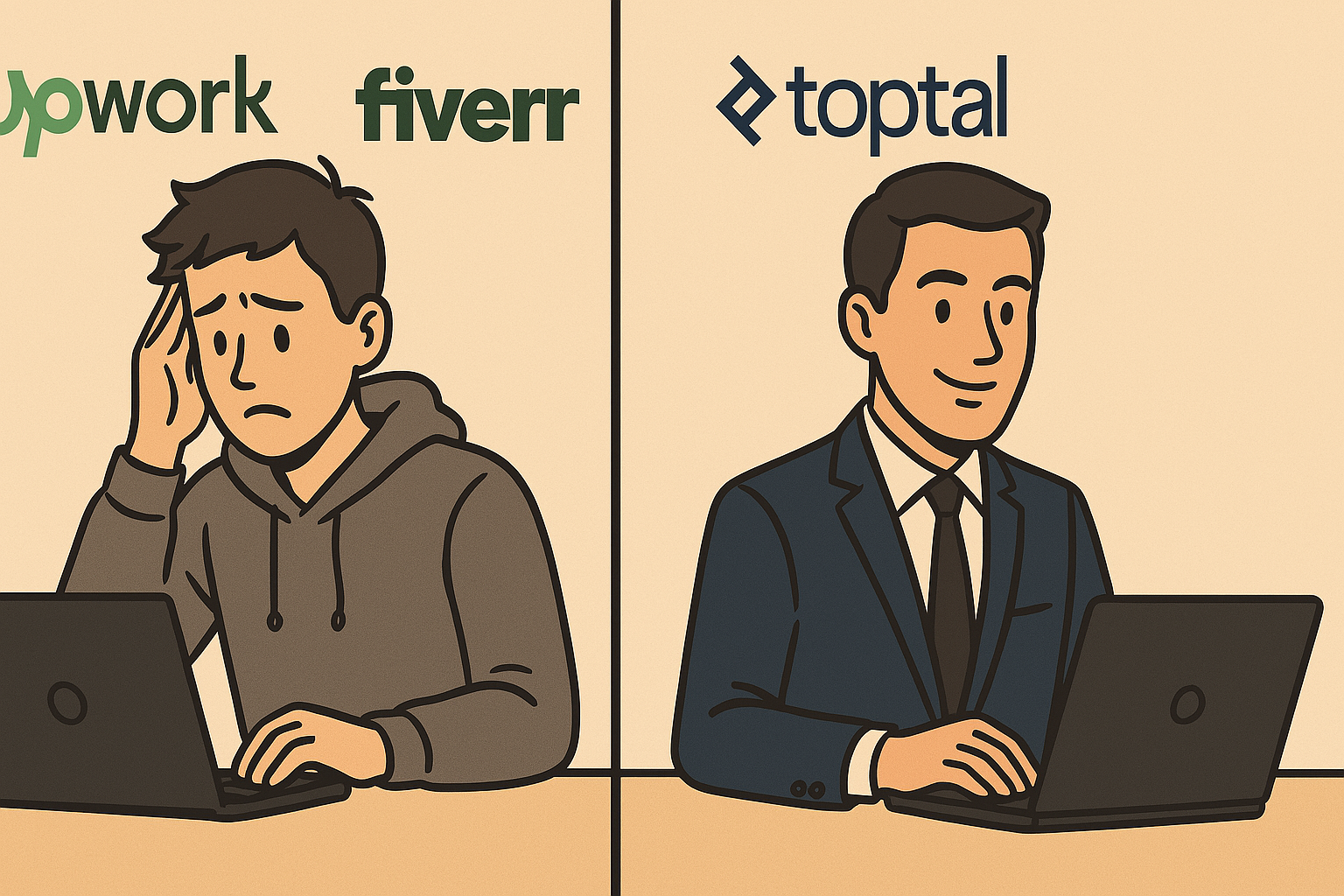
Sites like Upwork, Fiverr, and Freelancer get a bad rap, but they can be solid starting points. The trick is to:
- Focus on quality gigs, not race-to-the-bottom jobs.
- Customize your proposals. No copy-paste.
- Build a few strong reviews, then raise your rates.
- Use platforms as a bridge, not your long-term strategy.
Once you have momentum, start shifting to direct clients you find yourself.
4. Get Active on LinkedIn
LinkedIn is a goldmine for freelancers, especially in B2B niches. But don’t just scroll. Show up like a pro.
- Optimize your profile: Make your headline about what you offer, not just your title. Add a strong “About” section and featured work.
- Post consistently: Share tips, project wins, or industry insights. Be helpful, not salesy.
- Engage with others: Comment on relevant posts. Join conversations. People notice.
Over time, you’ll build visibility, and leads will start to come to you.
5. Join Niche Communities
Freelance job boards can be hit or miss, but niche communities are where real connections happen.
Try:
- Slack or Discord groups for your industry
- Subreddits like r/freelance or r/forhire
- Facebook groups for entrepreneurs or small businesses
- Industry forums and masterminds
Don’t just lurk. Ask questions, share advice, and be helpful. People work with people they trust.
6. Pitch Strategically
Cold pitching works if you do it right. Here’s the formula:
- Find companies that require what you offer.
- Keep your letter brief, specific, and personalized.
- Focus on their requirements, not your outline.
Example:
Hi [Name], I noticed your site hasn’t been edited in a while, and I specialize in helping small companies restore their websites to attract better customers. Would you be open to a quick call?
The key: Be direct, not desperate. Offer value, not a hard sell.
7. Ask for Referrals
Happy clients are your best salespeople. But don’t wait for them to recommend you; ask them.
Try:
“I enjoyed performing on this project. If you know anyone else who needs similar help, I’d love an opening.”
You can even incentivize referrals with discounts or bonuses if it makes sense.
8. Build an Audience Over Time
This isn’t instant, but it’s powerful. Share what you know on a blog, newsletter, podcast, or YouTube channel. Over time, people will see you as the go-to individual for what you do.
This kind of inbound marketing builds trust and draws higher-quality information. You don’t need a massive audience, just the right one.
Final Thoughts
Finding freelance clients is part strategy, part consistency. You don’t need a big network, fancy site, or years of experience; you need to take action, communicate clearly, and keep showing up.
Start with your network. Leverage platforms to get momentum. Then move toward direct outreach, referrals, and long-term visibility.
And remember: The more people who know what you do, the more work you’ll get. So keep putting yourself out there.