Freelancing as a Career: What It Takes to Make It Work

Freelancing isn’t just a side gig anymore. It’s a legitimate career path and for many, a better one. No boss. Flexible hours. The freedom to choose your clients. But freelancing also comes with fluctuation, uncertainty, and a steep learning curve.
So, can freelancing be a long-term job? Absolutely. But it takes more than talent. Here’s what it takes to build a sustainable freelancing career and how to decide if it’s right for you.
1. Understand What Freelancing Is
Freelancing means you work for yourself, not a company. You’re self-employed and usually work on a project or contract basis. That means no salary, no paid time off, and no guaranteed work. But it also tells you get to choose what you do, how you do it, and who you do it for.
It’s part business, part creative space, and 100% on you.
2. Treat It Like a Business From Day One
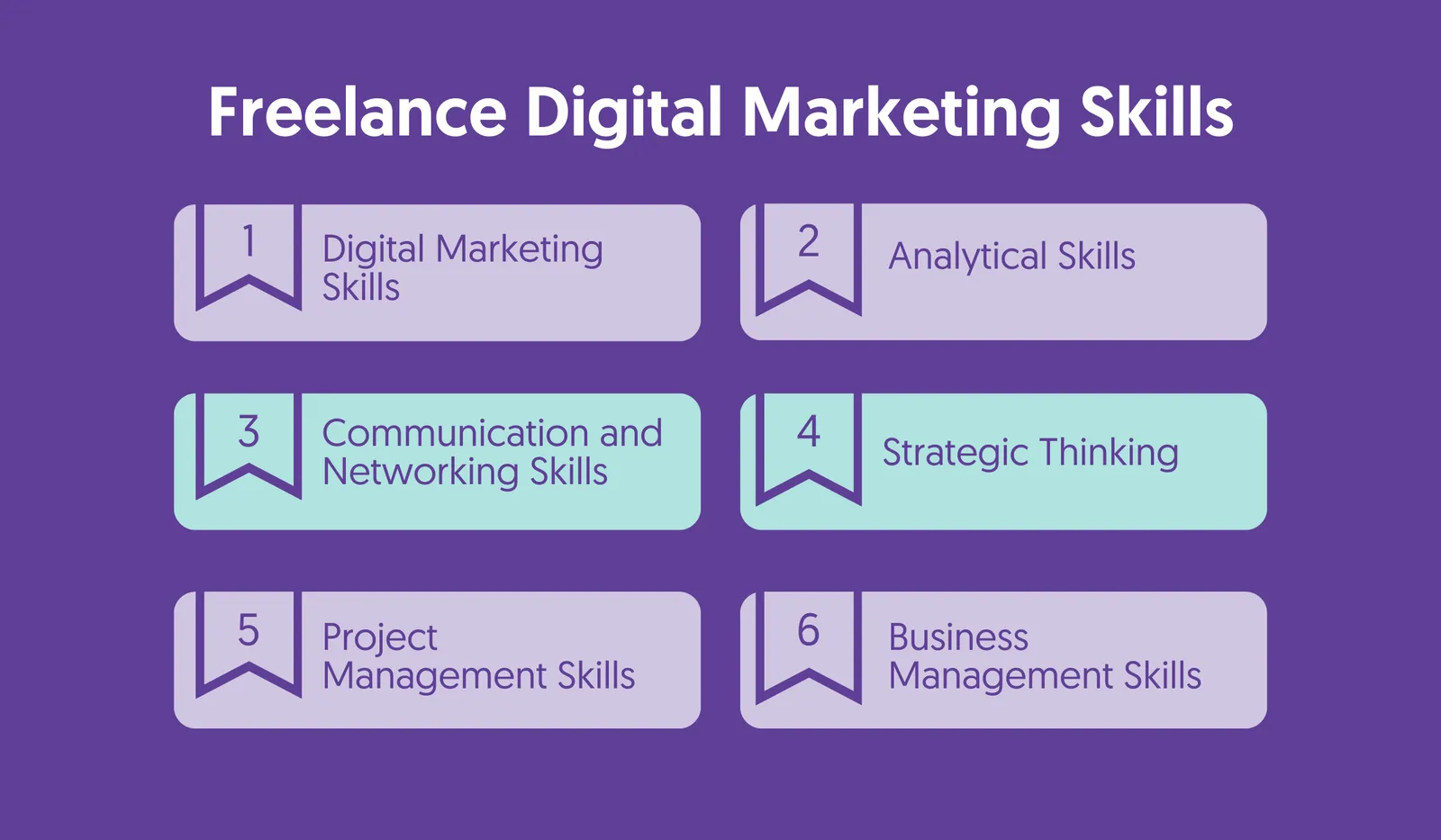
This is where many freelancers stumble. They focus only on the craft writing, designing, coding, whatever their skill is, and ignore the business side. But freelancing is running a one-person business. You have to manage:
- Client acquisition
- Pricing and proposals
- Invoicing and payments
- Contracts
- Marketing
- Time management
The sooner you treat it like a business, the faster you’ll grow.
3. Specialize, Don’t Generalize
Trying to be a jack-of-all-trades will burn you out and attract low-paying clients. Instead, focus on a niche. Specialization helps you:
- Get better results
- Charge higher rates
- Stand out in a crowded market
For example, don’t just be a “graphic designer.” Be a “brand designer for early-stage startups.” Don’t just be a “writer.” Be a “B2B SaaS content writer.” Get specific. Clients trust experts.
4. Build a Pipeline, Not Just a Portfolio
One good month doesn’t make a freelancing career. You need consistent work, and that means building a pipeline. Here’s how:
- Network regularly – online and offline
- Ask for referrals from happy clients
- Create content – blog, LinkedIn, newsletter
- Follow up – don’t let warm leads go cold
Having a few months of work lined up gives you breathing room and makes freelancing way less stressful.
5. Know Your Numbers
Freelancing gives you income potential, but only if you know your numbers. That means understanding:
- Your minimum monthly income to survive
- Your ideal income to thrive
- How many billable hours can you work
- How much time do you lose to admin, marketing, and downtime
From there, you can reverse-engineer your rates and workload. Don’t guess, do the math.
6. Set Boundaries or Burn Out
One of the most overlooked parts of freelancing is boundary-setting. You’re in charge of your time, but that also means clients will test limits, emails at midnight, last-minute requests, “just a quick call.”
You have to set clear expectations from day one:
- Work hours
- Response time
- Project scope
- Payment terms
If you don’t protect your time, no one else will.
7. Keep Evolving
Freelancing isn’t static. What worked last year might not work this year. New tools, new competitors, new expectations. That’s why ongoing learning is non-negotiable.
Invest in your growth:
- Take courses
- Learn new tools
- Improve your process
- Get feedback and adapt
The best freelancers don’t stay still they level up.
Pros of Freelancing as a Career
- Flexibility – work when and where you want
- Variety – new projects, clients, and challenges
- Control – you decide your rates, clients, and schedule
- Scalability – once you’re booked, you can raise prices, outsource, or productize
Cons (You Need to Plan For)
- No steady paycheck
- No benefits unless you create them
- Feast-or-famine cycles
- Isolation, if you’re not proactive about the community
But for many, the tradeoff is worth it. Freelancing can offer a level of autonomy and personal growth that most traditional jobs can’t.
Final Thoughts
Freelancing isn’t just a trend, it’s a viable career. But like any career, it takes strategy, discipline, and time. You must master your craft, learn how to run a company, and stay constant even when it’s tough.
If you want freedom, flexibility, and control over your work life, freelancing is worth pursuing. Just go in with your eyes open and your systems in place.