Minimalist Interior Design: Transform Your Space Beautifully

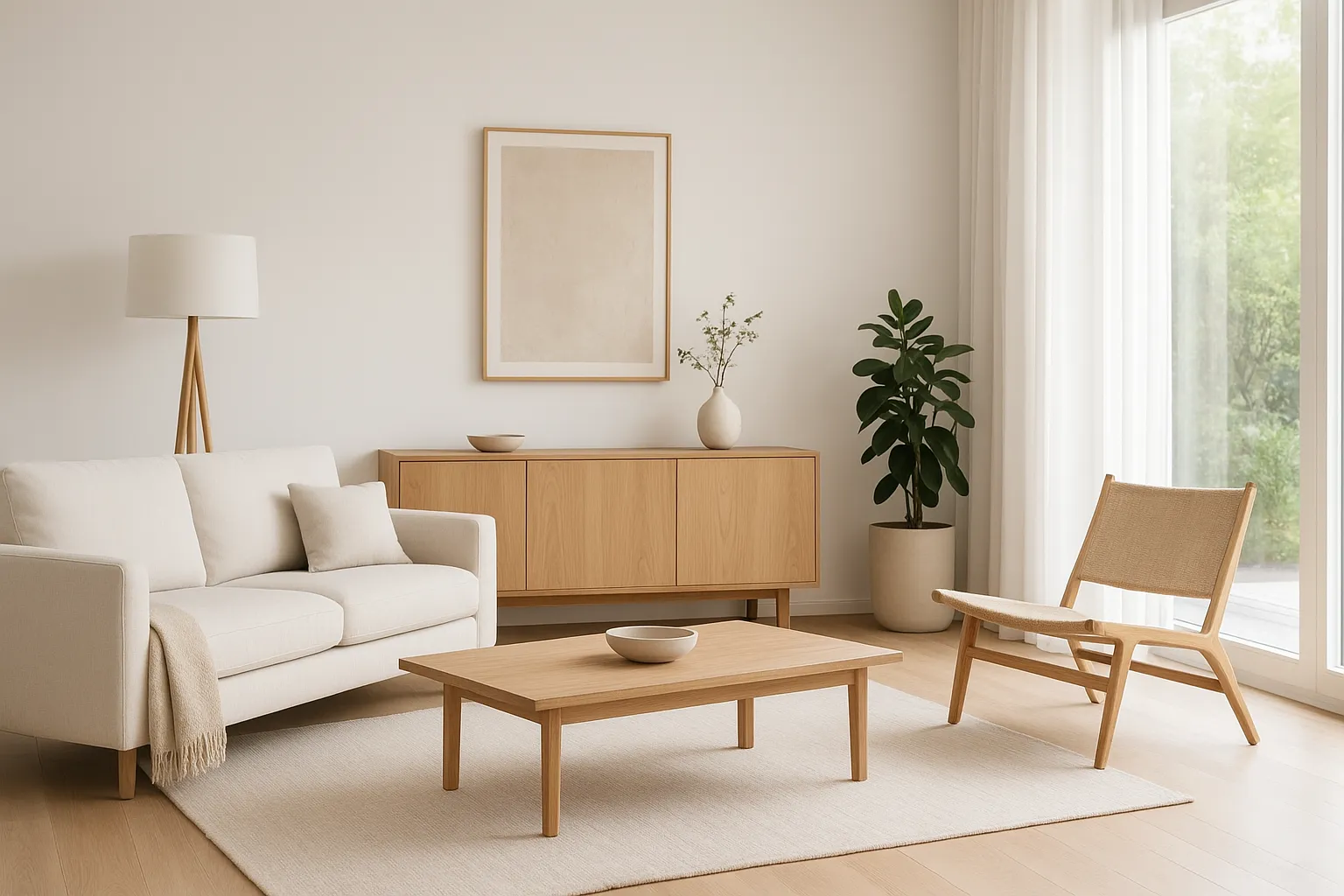
Minimalist interior design is more than just a style—it’s a lifestyle philosophy that celebrates simplicity, functionality, and peace of mind. It focuses on creating serene spaces by removing clutter and focusing on what truly matters.
Whether you live in a city apartment or a spacious suburban home, minimalist interiors can bring balance, elegance, and timeless beauty to any space.
In this guide, we’ll explore the principles of minimalist interior design, key elements, furniture ideas, and expert tips to help you achieve a calm and sophisticated environment.
🏡 What Is Minimalist Interior Design?

Minimalist interior design revolves around the concept of “less is more.” It emerged as a modernist movement inspired by Japanese and Scandinavian philosophies emphasizing simplicity and functionality.
A minimalist space highlights clean lines, neutral colors, and purposeful furniture—each element serves both form and function. The goal isn’t emptiness but harmony and intentional living.
For a deeper understanding of how this design movement evolved, visit Architectural Digest.
🌿 Core Principles of Minimalist Design

To master minimalist design, follow these foundational principles:
1. Simplicity and Functionality
Every item in your space should have a purpose. Decorative clutter is replaced with clean lines and useful furnishings. This approach helps maintain focus and creates visual calm.
2. Neutral Color Palette
Whites, beiges, grays, and soft earth tones dominate minimalist interiors. A neutral backdrop amplifies natural light and enhances spatial openness. Add subtle contrast through textures rather than bold colors.
3. Quality Over Quantity
Minimalism emphasizes craftsmanship and durability. Choose fewer items, but ensure they’re high-quality and long-lasting—like solid wood furniture or handcrafted ceramics.
4. Natural Light and Open Space
Natural light enhances tranquility. Use sheer curtains, large windows, and minimal partitions to invite sunlight and openness.
Learn more about the benefits of natural light in design from Dezeen.
5. Decluttering and Mindful Living
Clutter-free spaces support mental clarity. Minimalist homes are often linked with well-being and mindfulness, helping homeowners feel grounded and stress-free.
🛋️ Minimalist Furniture and Decor Ideas

Creating a minimalist home doesn’t mean going empty—it’s about intentional choices. Here’s how you can style each space:
Living Room
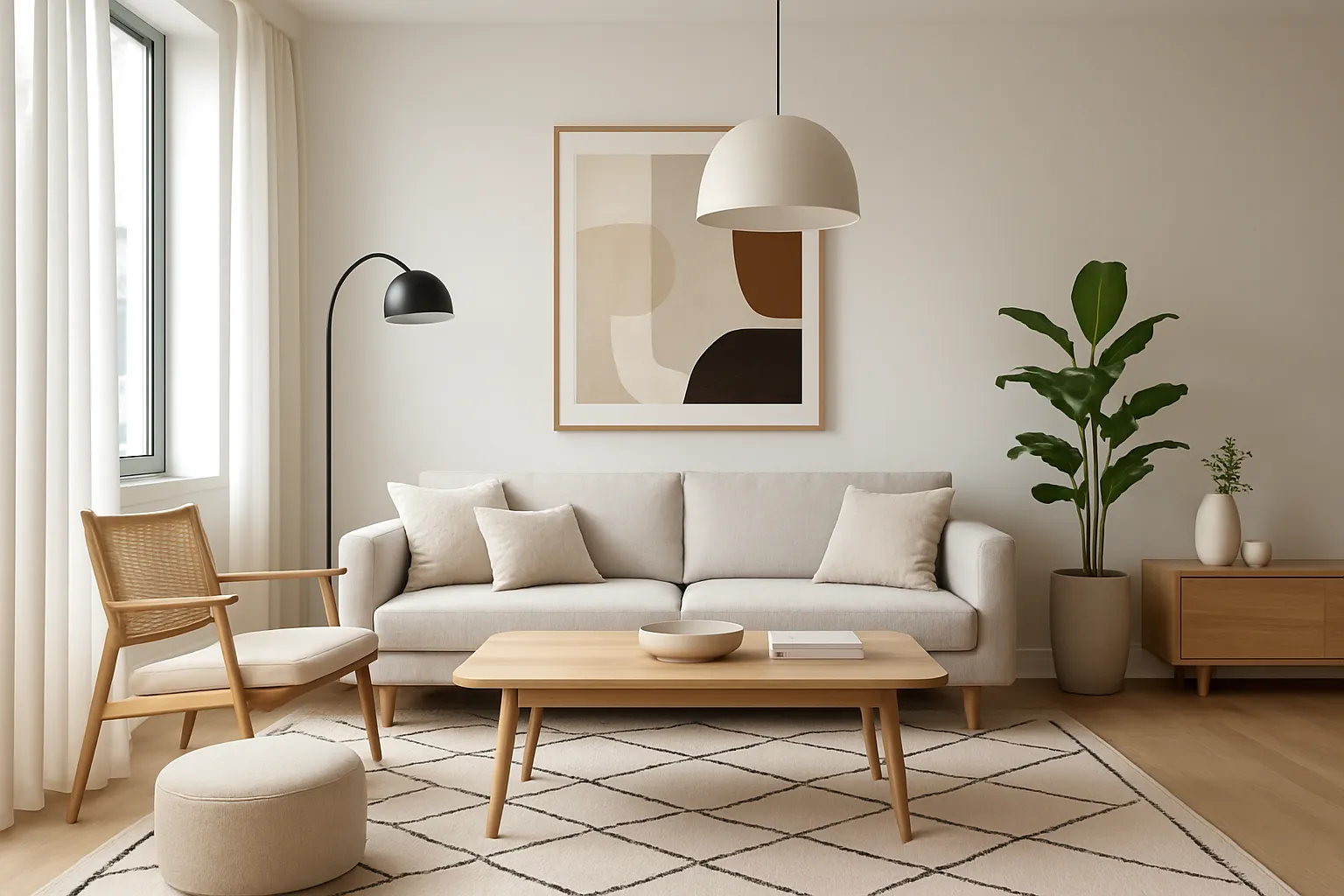
- Opt for a neutral sofa with clean geometry.
- Use a low coffee table in wood or glass.
- Replace decorative overload with a single statement artwork.
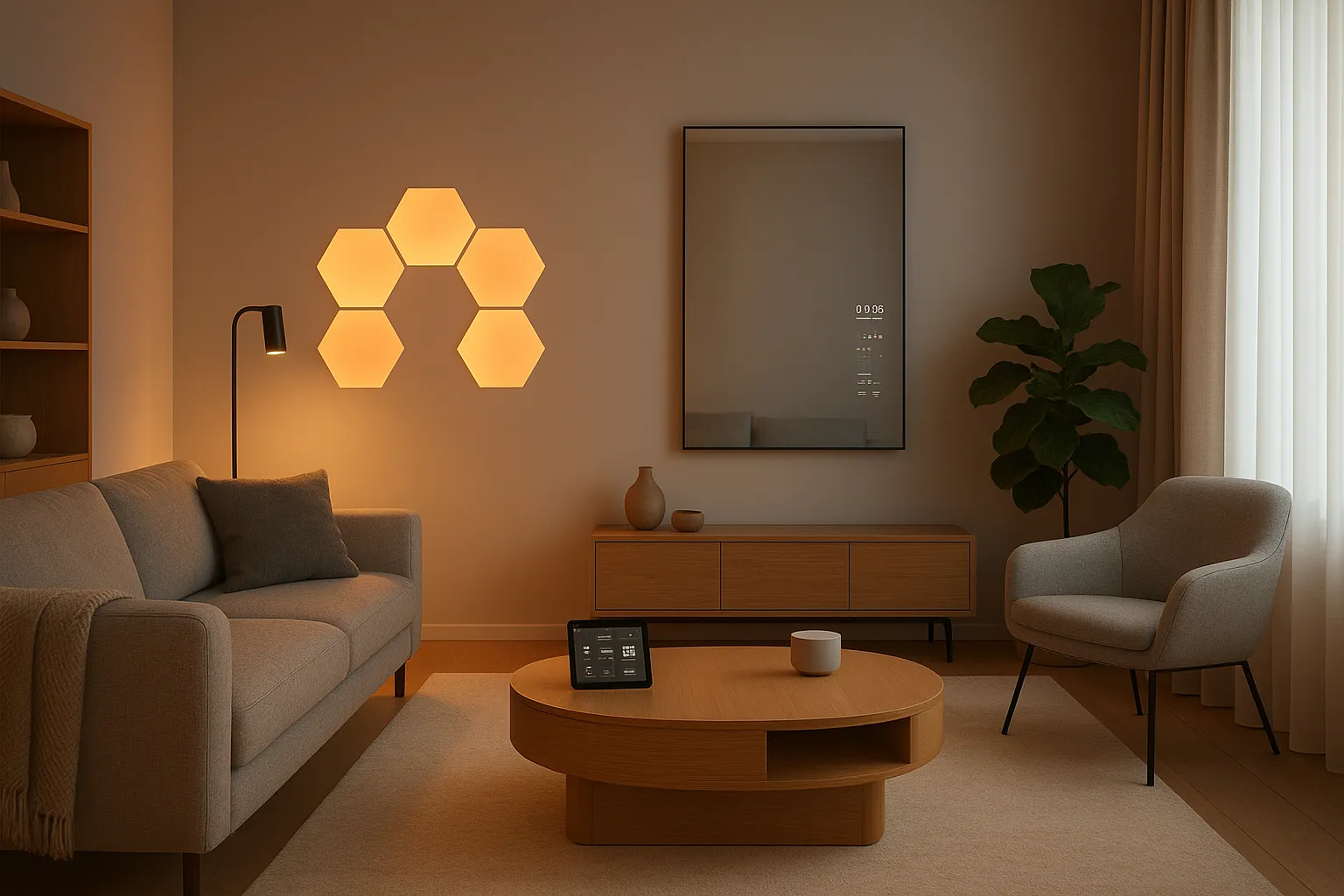
- Hide electronics and wires for a seamless aesthetic.
Bedroom
- Keep only essentials: a bed, nightstand, and a lamp.
- Select muted bedding and simple textures.
- Add warmth through natural fabrics like linen or cotton.
Kitchen
- Choose handleless cabinets for sleek lines.
- Store utensils in drawers to maintain open countertops.
- Introduce plants for a natural accent.
Bathroom
- Use stone, wood, or matte tiles.
- Install wall-mounted vanities to create space illusion.
- Keep decor minimal—a mirror, a towel rack, and soft lighting.
If you want affordable minimalist furniture options, browse IKEA’s minimalist collection or explore sustainable materials from Muji.
🧠 Minimalist Lifestyle Meets Interior Design

Minimalism extends beyond aesthetics—it’s a mindset. Reducing clutter, buying consciously, and embracing simplicity can significantly enhance your lifestyle.
Marie Kondo’s famous decluttering approach, “spark joy”, perfectly aligns with minimalist principles. Her guide on simplifying spaces at KonMari is a helpful resource for beginners.
🕯️ Trends in Minimalist Interior Design (2025 and Beyond)
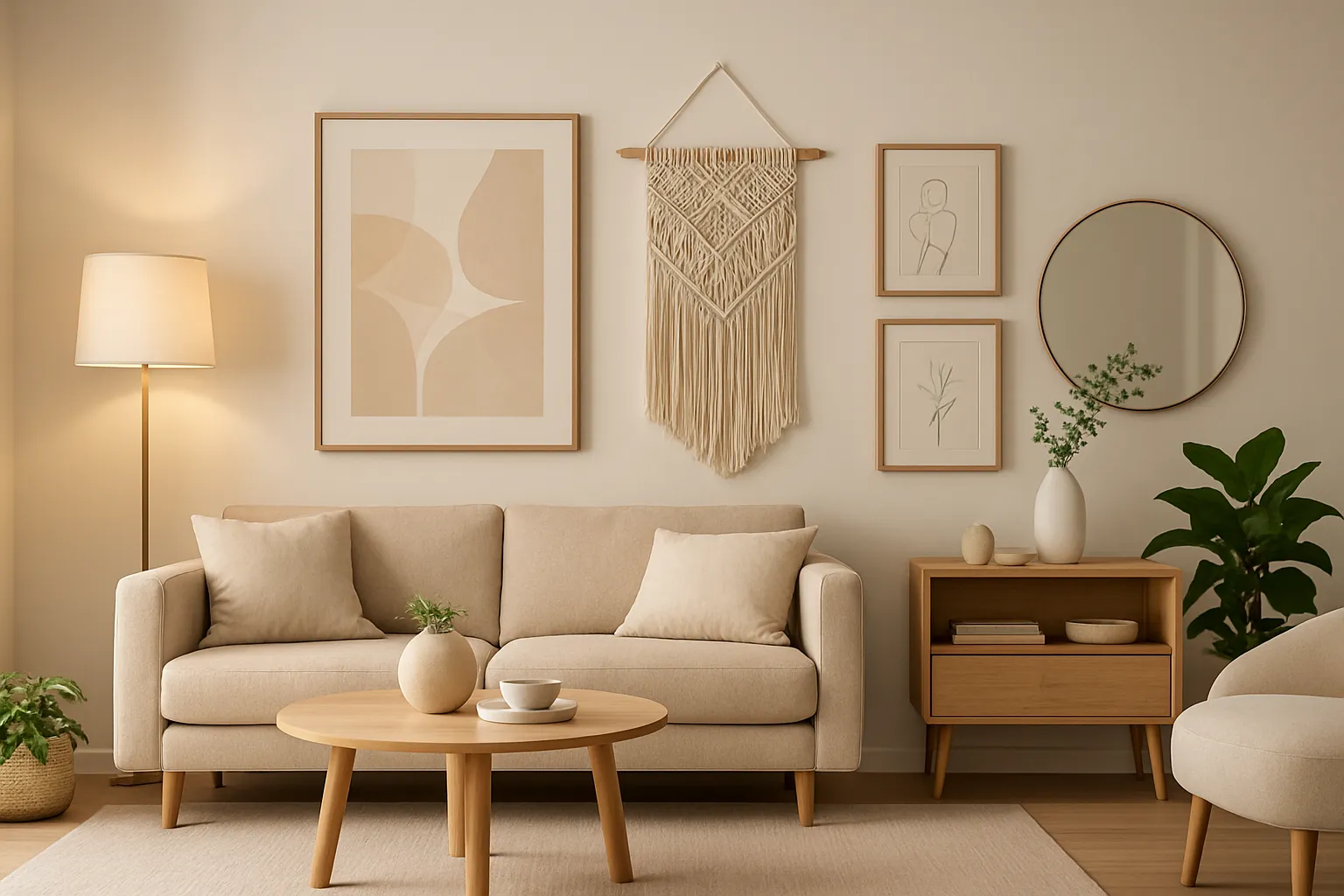
Modern minimalism is evolving to include warmth and personalization. Instead of cold white spaces, designers now embrace Japandi style—a blend of Japanese zen and Scandinavian coziness.
Here are the key minimalist trends shaping 2025:
- Japandi Fusion – Natural woods, organic fabrics, and neutral tones.
- Soft Minimalism – Adding warmth through curved furniture and earthy colors.
- Sustainable Materials – Eco-conscious wood, bamboo, recycled glass.
- Smart Storage Solutions – Built-in cabinetry and hidden compartments.
- Texture Play – Mixing linen, wool, and clay for sensory depth.
For ongoing inspiration, check Elle Decor’s minimalist home section.
🌸 Practical Tips to Achieve a Minimalist Home

- Start small—declutter one room at a time.
- Follow the “one in, one out” rule for every new item you bring home.
- Choose multi-functional furniture (e.g., ottoman storage, foldable desks).
- Maintain open floor plans and maximize daylight.
- Use soft lighting for a cozy yet clean ambiance.
- Add life with plants instead of decor clutter.
These small adjustments make your home not just stylish—but also calming and efficient.
💬 Why Minimalist Interior Design Works
The beauty of minimalism lies in balance—creating a space that feels peaceful without sacrificing personality. It’s timeless, cost-effective, and visually soothing.
By embracing minimalist design, you invite clarity and intention into your surroundings and your daily life.